
Key Takeaways
- The fusion of traditional Chinese silhouettes with Indonesian wax-resist dyeing techniques reflects the multicultural landscape of the region.
- Modern tailoring techniques adapt the structured cheongsam form to the breathable and varied patterns of artisanal batik fabrics.
- Artisanal garments serve as a bridge between ancestral traditions and contemporary fashion, preserving heritage through wearable art.
Introduction
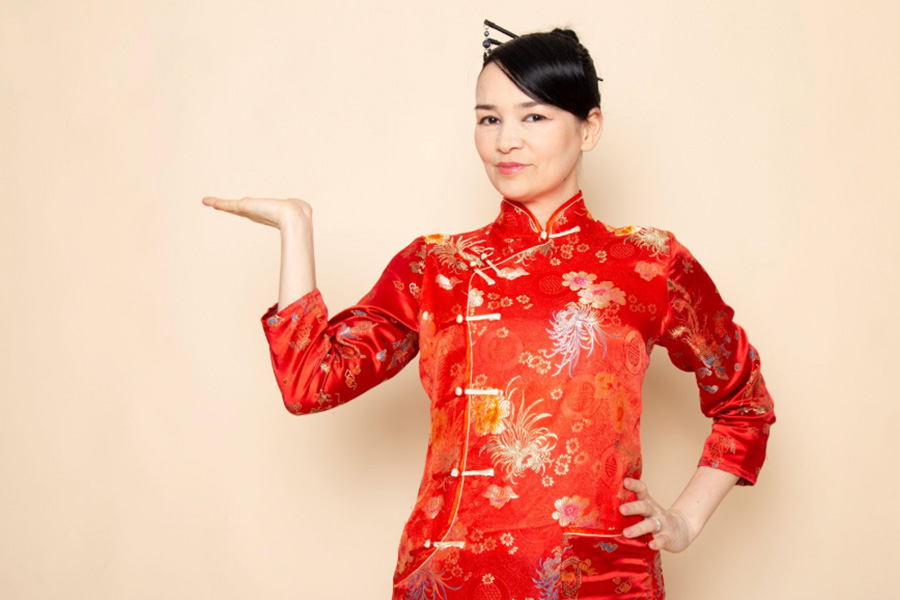
The intersection of diverse traditions yields the most compelling results in the fashion industry. One such evolution involves the marriage of the Chinese Qipao with the intricate patterns of Javanese wax-resist dyeing. The batik cheongsam embodies the historical and social ties between Chinese and Southeast Asian communities. By applying the rich, symbolic motifs of batik to the form-fitting, elegant silhouette of the cheongsam, designers create a garment that resonates with a sense of place and identity. This hybrid attire has gained significant traction in urban centres where individuals seek to honour their mixed heritage while maintaining a contemporary appearance.
The Artistic Intersection of Form and Pattern
The architectural precision of the cheongsam requires a fabric that can hold its shape while providing comfort to the wearer. Traditionally made from silk or brocade, the modern version frequently utilises cotton-based batik to suit the tropical climate. When artisans produce batik clothing in Singapore, they must consider how the large-scale motifs of the wax-resist prints will align with the garment’s curves and seams. The high Mandarin collar and the diagonal closure provide a structured canvas for the organic, flowing lines of traditional batik patterns, such as the Parang or Megamendung. Brands like Anmako Singapore focus on this delicate balance, ensuring that the placement of the hand-stamped or hand-painted designs enhances the wearer’s silhouette rather than overwhelming it.
Furthermore, the choice of motifs often conveys deep cultural meanings that transcend mere decoration. A batik cheongsam might feature floral patterns that symbolise longevity and prosperity in Chinese culture, rendered through the specific earthy palettes characteristic of Indonesian craftsmanship. This layer of symbolism adds depth to the garment, turning a simple dress into a conversation piece about regional history. Because hand-drawn batik involves a meticulous process of wax application and multiple dye baths, no two garments remain identical, which appeals to the modern consumer who values individuality over mass-produced fashion. Anmako Singapore acknowledges this artisanal value by incorporating traditional techniques into silhouettes that fit the lifestyle of a busy, modern professional.
Adapting Heritage for the Contemporary Wardrobe
The shift towards versatility has seen the batik cheongsam move from being strictly formal wear to a staple for various social occasions. Designers now modify the traditional ankle-length gown into shorter hemlines, sleeveless variants, or even two-piece sets that offer greater mobility. These adaptations ensure that batik clothing in Singapore remains relevant for both the office and festive celebrations, such as Lunar New Year or weddings. By simplifying the fastenings, replacing complex knots with hidden zips, designers make the garment more accessible for daily wear without stripping away its cultural essence, allowing the wearer to carry their heritage into spaces that typically favour Western-style business attire.
Sustainability also plays a pivotal role in the resurgence of these blended garments. As consumers move away from fast fashion, they gravitate toward pieces that tell a story and offer durability. The use of natural dyes and cotton fabrics in batik production aligns with a more conscious approach to consumption. When you invest in a batik cheongsam, you support the local artisans who keep these labour-intensive techniques alive, as the garment’s ability to withstand trends ensures it remains a functional part of a wardrobe for years. This longevity, coupled with the timeless appeal of the Chinese collar, makes the fusion garment a prudent choice for those who view fashion as an investment in cultural capital.
5 Unique Features of Fusion Batik Wear
Handmade Authenticity –
Each piece features variations in colour and pattern due to the manual wax-stamping and dyeing process.
Climatic Suitability –
The use of breathable cotton and linen blends makes these garments ideal for the humid conditions of Southeast Asia.
Symbolic Synergy –
Patterns combine Chinese symbols of luck with traditional Southeast Asian geometric designs.
Tailored Precision –
Modern darts and seams ensure a flattering fit that respects the traditional high-necked aesthetic.
Cultural Versatility –
The attire fits seamlessly into multicultural events, bridging the gap between different ethnic dress codes.
Conclusion
The emergence of the batik cheongsam proves that tradition is a living and breathing evolution. By integrating the technical artistry of batik clothing in Singapore with the iconic Chinese silhouette, designers create a visual language that celebrates regional unity. Anmako Singapore continues to explore these connections, offering pieces that reflect the nuanced identities of the modern woman. As we look toward the future of fashion, the synthesis of heritage techniques offers a path that values craftsmanship, history, and style equally. Whether worn at a formal gala or a professional meeting, this fusion garment is a testament to the enduring beauty of Southeast Asian and Chinese cultural exchanges.
Celebrate your heritage with a piece that tells a story of cultural unity. Contact Anmako Singapore today to discover our latest collection of fusion wear.